
Residential Care Home Maintenance: Is Your Facility Up to Standard?
Every care facility carries a responsibility to provide a safe, warm, and comfortable environment for residents. Yet many buildings fall behind on essential tasks without anyone noticing until something goes wrong. Because of this, residential care home maintenance becomes one of the most important parts of running a care home. It protects residents, supports staff, and ensures the building stays compliant with regulations.
Care homes often operate at full capacity, and small maintenance issues can grow quickly. Faulty air conditioning units, loose window frames, damaged fire doors, and poor lighting all affect daily life. Vulnerable and elderly residents feel the impact more than anyone. When systems fail, their safety, comfort, and wellbeing suffer.
This blog explores the most common areas where residential care home maintenance falls behind, what risks these issues create, and how you can take control with structured inspections and support from Brooktech.
Why Residential Care Home Maintenance Matters More Than Ever
Care facilities rely on a wide range of systems. Heating, electrics, plumbing, air conditioning, fire safety equipment, water treatment, and ventilation all work together to keep residents safe. When one system starts to fail, others follow.
Strong residential care home maintenance ensures:
- Safe living conditions
- Consistent comfort for residents
- Reduced downtime for essential services
- Clear compliance with regulations
- Lower long-term repair costs
Organisations like Care Quality Commission highlight the importance of safe, well-maintained environments in residential care.
1. Fire Doors, Fire Safety Signage, and Emergency Lighting
In many care homes, fire safety equipment becomes worn without anyone noticing. Fire doors may not close properly. Hinges loosen. Seals deteriorate. Signage fades. Emergency lighting flickers or fails completely.
Weak points in fire protection create serious risks. Vulnerable residents may struggle to evacuate quickly. Staff face increased pressure during emergencies. Poor fire safety also breaches legal obligations.
A structured approach to residential care home maintenance ensures:
- Fire doors operate correctly
- Signage stays clear and visible
- Emergency lighting works on every floor
- Fire alarms receive regular testing
These checks protect residents and keep your home compliant.
2. Faulty or Inefficient Air Conditioning Units
Air conditioning plays a key role in resident comfort, especially for those with respiratory conditions or limited mobility. However, AC units often work harder in older buildings. Filters clog. Coils become dirty. Fans drop in performance. Units struggle to maintain temperature.
These issues reduce comfort and increase health risks. A proper residential home maintenance programme helps you detect and fix AC faults before they affect residents.
3. Heating Systems That Fail at Critical Times
Residential homes rely heavily on heating systems. Boilers, radiators, pumps, and pipework must work consistently. Yet many buildings experience cold spots, noisy boilers, or low water pressure. These issues disrupt comfort and may lead to winter breakdowns.
Strong residential home maintenance keeps heating systems working efficiently. It ensures residents stay warm and reduces emergency callouts.
4. Window Frames, Drafts, and Heat Loss
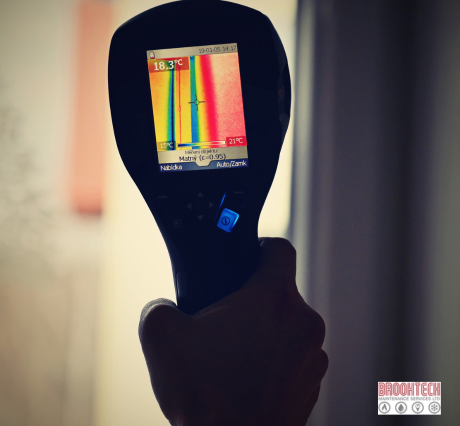
Loose or ageing window frames let in cold air and increase energy waste. Drafts may seem small, but they affect residents in communal areas and bedrooms. Temperature inconsistency also puts pressure on heating systems.
Routine residential care home maintenance identifies damaged frames, poor insulation, gaps, or signs of wear. Fixing these issues improves comfort and reduces complaints from residents and families.
5. Water Systems and Legionella Risk
It’s important to monitor water temperature, pressure, and hygiene. Poor maintenance increases the risk of Legionella bacteria, which poses a serious threat to vulnerable residents.
Regular residential home maintenance includes:
- Water sampling
- Legionella testing
- Temperature checks
- Tank inspections
- Flushing schedules
These measures keep water systems safe.
6. Electrical Systems That Need Attention
Loose wiring, old sockets, flickering lights, and outdated distribution boards all create hazards. Inconsistent lighting also causes falls for residents who have reduced mobility or poor eyesight.
Effective residential care home maintenance includes electrical inspections, PAT testing for portable equipment, and quick repairs for damaged circuits.
7. Plumbing Problems That Affect Daily Living
Slow drains, leaking pipes, and blocked toilets impact hygiene and comfort. When residents rely on these facilities every day, plumbing issues must be resolved quickly.
A proactive approach to residential home maintenance ensures plumbing systems perform well and prevents repeated issues.
What Happens When Residential Care Home Maintenance Is Neglected
Small problems turn into big risks when left untreated. Neglecting key tasks can lead to:
- Increased resident discomfort
- Temperature issues in bedrooms
- Poor air quality
- Higher risk of falls or injury
- Failure in regulatory inspections
- Higher repair costs
- Negative feedback from families
- Staff frustration and burnout
Proactive residential care home maintenance protects residents and supports smoother operation.
How to Improve Your Maintenance Standards
Care facilities can transform their maintenance by taking clear, structured steps. Below are the most effective improvements.
1. Carry Out a Full Building Condition Check
Start with a complete review of fire safety systems, heating, AC units, plumbing, electrics, and water hygiene. This gives you a baseline for your maintenance plan.
2. Use a Multi-Discipline Maintenance Provider
One provider handling gas, electrics, plumbing, HVAC, water treatment, and fire safety reduces complexity. It saves time, reduces risk, and improves consistency across your residential care home maintenance tasks.
3. Implement a Planned Maintenance Programme
Planned maintenance prevents issues before they appear. It keeps residents safe, avoids downtime, and supports regulatory compliance.
4. Keep Clear Records for Inspections
Inspectors expect strong documentation. Clear reports help prove compliance and support safer operation.
How Brooktech Can Support Your Residential Home
Brooktech provides reliable, professional residential care home maintenance for homes across the North West. Our multi-discipline engineers cover:
- Fire safety systems
- Heating and gas services
- Air conditioning and ventilation
- Electrical testing and repairs
- Water treatment and Legionella testing
- Plumbing services
- Door maintenance and facility checks
We deliver:
- Full building assessments
- Planned maintenance programmes
- Fast response for urgent issues
- Clear reporting with photo evidence
- Minimal disruption to residents
- Installation and maintenance for new systems
As a trusted family-run business, we ensure every part of your care home is safe, efficient, and compliant.
If you want dependable residential care home maintenance, contact us today to protect your residents and support your team.