Fire Safety Compliance: 7 Critical Areas Many Overlook
When most businesses think about fire safety compliance, they think about fire alarms. They assume that if the alarm sounds, the building is protected. However, fire safety involves far more than a control panel on the wall. In reality, fire safety compliance covers doors, lighting, electrics, gas systems, signage, and building structure. If one element fails, the entire system weakens.
For commercial landlords, factory managers, care home operators, and facilities teams, overlooking these details creates risk. It also creates legal exposure and potential insurance issues. Therefore, understanding what proper fire safety really involves helps you protect your people and your premises.
This guide highlights the most commonly overlooked areas of fire safety compliance and explains how proactive maintenance keeps your building safe.
Why Fire Safety Compliance Requires a Whole-Building Approach
Fire spreads quickly when buildings lack proper compartmentation, detection, and system integrity. Although alarms provide warning, they do not stop smoke, heat, or structural failure. Because of this, compliance with fire safety regulations requires coordinated maintenance across multiple systems.
The Health and Safety Executive outlines the duty of employers and building owners to manage fire risks effectively.
Likewise, UK Government guidance stresses that responsible persons must maintain fire precautions properly.
Therefore, regular inspection and maintenance remain essential.
7 Critical Areas Of Fire Safety
1. Fire Doors and Compartmentation
Fire doors play a critical role in fire safety. They slow the spread of flames and smoke. However, many buildings have doors that:
- Do not close properly
- Have damaged seals
- Contain gaps around frames
- Have missing signage
- Have been wedged open
Even small faults compromise fire protection. Regular checks ensure fire doors operate as designed. Maintenance teams should inspect hinges, closers, seals, glazing panels, and alignment.
Without proper fire door maintenance, your compliance with fire safety regulation weakens significantly.
2. Emergency Lighting and Clear Escape Routes
Emergency lighting must activate instantly during power failure. However, batteries degrade over time. Fittings become damaged. Bulbs fail.
Poor lighting creates confusion during evacuation. Vulnerable occupants face increased risk. Strong fire safety compliance includes:
- Monthly function tests
- Annual duration tests
- Clear documentation
- Maintenance of illuminated signage
Escape routes must remain unobstructed. Storage in corridors creates hazards. Routine inspections protect occupants and ensure safe evacuation.
3. Electrical Systems and Hidden Fire Risks
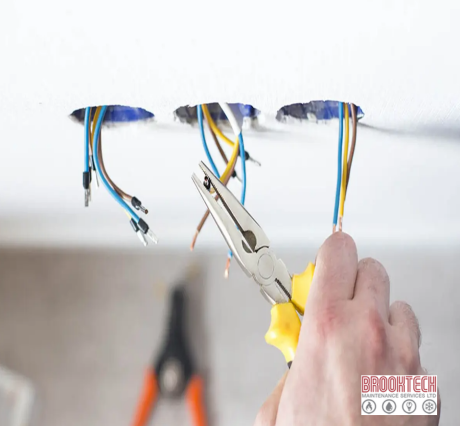
Electrical faults remain one of the most common causes of commercial fires. Loose wiring, overloaded circuits, and ageing distribution boards generate heat. Without inspection, these issues go unnoticed.
Fixed wire testing and thermographic surveys strengthens your compliance by identifying hotspots and potential failures. Proactive electrical maintenance reduces ignition risk and protects your building.
4. Gas Systems and Combustion Safety
Commercial gas systems must operate safely and efficiently. Faulty combustion, poor ventilation, or damaged flues increase fire and explosion risks.
A proper fire safety compliance plan includes:
- Annual commercial gas safety checks
- Appliance servicing
- Ventilation inspections
- Combustion testing
These checks reduce hazards and ensure safe operation across heating and process systems.
5. Plant Rooms and Service Voids
Plant rooms often receive less attention. Yet they house boilers, pumps, electrical panels, and fuel systems. If these areas lack regular inspection, fire risks increase.
Effective fire safety compliance involves:
- Checking for overheating equipment
- Clearing debris
- Inspecting pipe insulation
- Ensuring adequate ventilation
- Maintaining safe storage practices
A clean and well-maintained plant room significantly lowers risk.
6. HVAC Systems and Smoke Control
Ventilation systems influence how smoke spreads during a fire. Poorly maintained ductwork, failed dampers, or faulty fans compromise containment.
Routine servicing supports your compliance with fire safety regulations by ensuring:
- Fire dampers operate correctly
- Filters remain clear
- Extract systems function effectively
- Control systems respond appropriately
Proper maintenance limits smoke movement and supports safe evacuation.
7. Documentation and Reporting
Fire safety does not stop at physical checks. Documentation proves compliance. Missing certificates create problems during inspections or insurance reviews.
Strong fire safety compliance requires:
- Clear maintenance records
- Inspection schedules
- Compliance calendars
- Evidence of remedial work
- Updated asset registers
Without documentation, even completed work may not satisfy auditors.
The Consequences of Weak Fire Safety
Neglecting basic fire safety requirements leads to serious consequences:
- Increased injury risk
- Regulatory penalties
- Invalidated insurance claims
- Operational downtime
- Reputational damage
In high-occupancy buildings such as care homes, factories, offices, and warehouses, the stakes are even higher.
Proactive maintenance protects both people and assets.
How to Strengthen Your Fire Safety Compliance Strategy
To improve your approach, consider the following steps:
- Conduct a full building fire safety review.
- Inspect fire doors and signage thoroughly.
- Test emergency lighting regularly.
- Schedule electrical inspections and thermographic testing.
- Service gas systems annually.
- Include HVAC and ventilation in your maintenance plan.
- Maintain clear documentation for every task.
Integrating these tasks into a Planned Maintenance Programme ensures nothing falls through the cracks.
How Brooktech Can Support You With Fire Safety
Brooktech provides multi-discipline maintenance for commercial and industrial premises across the North West. Our experienced engineers support every aspect of compliance when it comes to fire saftey, including:
- Fire door inspections and maintenance
- Emergency lighting testing
- Electrical inspection and testing
- Thermographic surveys
- Commercial gas servicing
- HVAC and ventilation maintenance
- Planned Maintenance Programmes
- Installation and upgrade of new systems
Because we operate across gas, electrics, plumbing, HVAC, and mechanical systems, we deliver coordinated maintenance under one roof. This reduces risk, simplifies scheduling, and strengthens compliance.
As a trusted family-run business, Brooktech focuses on reliability, clear reporting, and minimal disruption. If you want to improve your fire safety compliance, contact us today to arrange a comprehensive review of your premises.